
The Importance of Stretching Before and After Exercise
Updated: Aug 29

If you've ever skipped stretching to save five minutes before a workout, you're not alone. It's one of the most commonly skipped steps in any fitness routine, usually because it feels like the least exciting part of the process. But stretching isn't just a formality tacked onto the beginning and end of a workout. It plays a real role in how well your body performs, how quickly it recovers, and how likely you are to get injured in the first place. In this post, we'll break down why stretching matters, the different types worth knowing, and how to do it safely so it actually works in your favor.
Why Stretching Is Important Before Exercise
Stretching before a workout helps warm your muscles up and gets them ready for the demands you're about to place on them. As you stretch, blood flow to the muscles increases, which helps loosen tight tissue and reduces the risk of strains or pulls once you start moving more intensely. Think of your muscles a bit like rubber bands. A cold rubber band is stiff and more likely to snap under sudden tension, while one that's been warmed up and gently stretched has more give.
Beyond injury prevention, pre-workout stretching also directly affects performance. Improved flexibility and range of motion mean your joints can move more freely through their full range, which translates to better form, more efficient movement patterns, and less wasted effort. A runner with looser hip flexors, for example, will generally have a smoother, more efficient stride than one who skips stretching altogether.
It's worth noting that not all stretching is created equal when it comes to warming up. Static stretches, the kind where you hold a position for an extended period, are useful for building long-term flexibility, but doing too much static stretching right before an intense workout can temporarily reduce muscle power. That's why most trainers recommend saving deep static stretches for after your workout and using more dynamic movements to prepare your body beforehand. We'll get into that distinction in more detail shortly.

The Benefits of Stretching After Exercise
Stretching after a workout is just as important as stretching before one, even though it's easy to skip when you're tired and ready to be done. Post-workout stretching helps your muscles transition out of "work mode" and into recovery, gradually bringing your heart rate down and easing the tension that builds up during exercise.
One of the most immediate benefits is a reduction in muscle soreness and stiffness. When muscles contract repeatedly during a workout, they can tighten up and hold onto tension if you don't take the time to release it afterward. Gentle stretching helps encourage that tension, which can make the difference between feeling refreshed the next day and feeling like you can barely walk down the stairs.
Over time, consistent post-workout stretching also contributes to better overall flexibility and range of motion, which in turn reduces your risk of injury in future workouts. It's a bit of a feedback loop: better flexibility supports safer movement, and safer movement means fewer setbacks that could otherwise interrupt your training.
The Different Types of Stretching
Broadly speaking, stretching falls into two main categories, and understanding the difference can help you use each one at the right time.
Static stretching involves holding a single position for a period of time, usually somewhere between 15 and 30 seconds, without bouncing or moving. This type is excellent for improving overall flexibility and range of motion, and it's best used after a workout, when your muscles are already warm and more receptive to a deeper stretch.
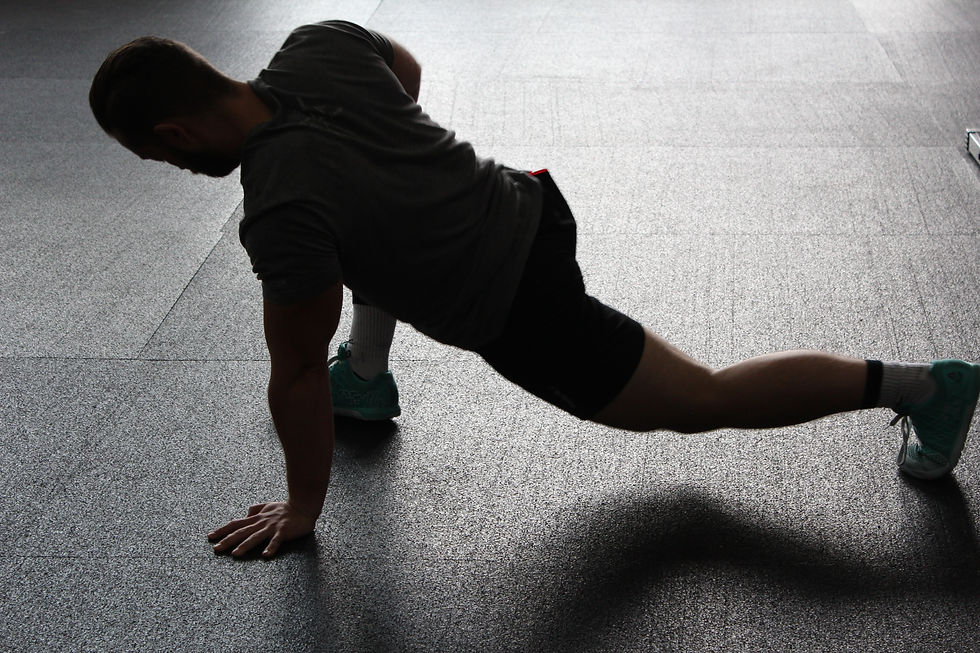
Dynamic stretching involves moving through a range of motion in a controlled, repetitive way, like leg swings, arm circles, or walking lunges. This type is ideal for warming up before exercise, as it raises your heart rate slightly and prepares your muscles and joints for the specific movements you're about to perform.
Both types have a place in a well-rounded routine. The key is matching the right type of stretch to the right moment: dynamic before, static after.

How to Stretch Safely
Stretching is genuinely beneficial, but doing it incorrectly can do more harm than good. Here are a few guidelines to keep in mind so you get the benefits without the setbacks:
Don't push yourself too hard. Stretch until you feel a gentle pull, never to the point of sharp pain. Pain is your body's way of telling you to back off.
Hold each stretch for at least 15 to 30 seconds. Shorter holds don't give your muscles enough time actually to lengthen and relax.
Breathe deeply and slowly while stretching. Holding your breath tends to increase tension rather than release it, so steady breathing helps your body relax into the stretch.
Stretch all major muscle groups, not just the ones you plan to use. Your body works as a connected system, and neglecting muscle groups outside your main focus can create imbalances over time.
It's also worth listening to your body on any given day. Flexibility can vary depending on how well you slept, how hydrated you are, or even the room temperature, so there's no need to force the same range of motion every single session.

As with most things in fitness, the biggest challenge with stretching is usually not knowing that it matters. It's actually building it into your routine consistently. A few minutes of dynamic movement before you start and a few minutes of static stretching once you're done is often all it takes to notice a real difference in how your body feels, both during workouts and in the hours and days that follow.
Stretching is an integral part of any workout routine. It helps prevent injury, improves flexibility and range of motion, and reduces muscle soreness and stiffness. Incorporating it consistently, rather than treating it as optional, can meaningfully improve your overall fitness and performance over time.
For an even more rewarding fitness experience, it's worth considering how the right tools can support this part of your routine too. Agere Mirare's smart fitness mirror is built with exactly this kind of consistency in mind. Beyond guiding you through workouts, it offers Personalized Recovery Programs designed to help you build effective stretching and cool-down habits after intense sessions. Hence, recovery becomes as much a part of your routine as the workout itself.
Click here to explore the range and discover how personalized recovery can elevate your fitness routine to new heights.


Comments